Commercial Security System Unification for Greater Philadelphia Businesses
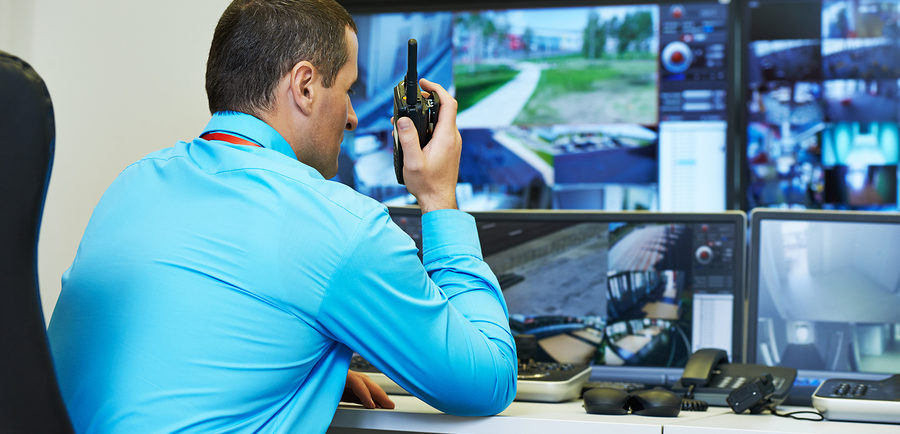
Modern commercial security is increasingly built around unified systems rather than isolated cameras, alarms, and access control platforms.
A unified security approach allows businesses to bring multiple technologies together so security events can be monitored, reviewed, and managed more efficiently.
For comprehensive commercial security system design, installation, upgrades, and integration throughout the region, visit Northeast Remote Surveillance and Alarm, LLC – Greater Philadelphia Commercial Security Systems.

What Is a Unified Commercial Security System?
A unified commercial security system combines multiple security technologies into a coordinated platform or operational strategy.
Depending on the facility, this may include:
- Video surveillance
- Commercial intrusion alarm systems
- Access control
- Remote monitoring
- Video analytics
- Intercom and controlled entry
- Panic and duress devices
- Gate security
- System health monitoring
Instead of managing each system separately, businesses can use integration to create better visibility into what is happening throughout the property.
Why Security Unification Matters
Many commercial properties have security systems that were installed at different times.
A business may have one platform for cameras, another for intrusion alarms, and a separate system for employee access.
While these systems may function independently, unifying them can make security operations easier to manage.
Potential benefits include:
- Faster incident review
- Better situational awareness
- Easier multi-site management
- Simplified system administration
- Improved alarm verification
- More useful event information
- Reduced dependence on multiple disconnected platforms
The goal is not necessarily to replace every existing device. In many cases, existing equipment can be evaluated for integration, upgrade, or continued use.
Commercial Intrusion Alarm Systems
An intrusion alarm system remains an important part of commercial security.
Alarm systems can detect unauthorized entry using devices such as:
- Door contacts
- Motion detectors
- Glass-break sensors
- Perimeter devices
- Panic buttons
- Duress devices
Commercial alarm systems may also provide professional monitoring so alarm events can be transmitted to a monitoring center.
When intrusion detection is integrated with video surveillance, personnel may be able to review camera footage associated with an alarm event rather than relying on the alarm signal alone.
Video Surveillance
Commercial security cameras provide visual information that alarm systems cannot.
Video surveillance can help businesses monitor:
- Entrances
- Parking lots
- Loading docks
- Warehouses
- Offices
- Manufacturing areas
- Shipping and receiving
- Exterior yards
- Gates
- Restricted spaces
When video is part of a unified security strategy, cameras can provide additional context for alarms, access events, and other security incidents.
Access Control
Access control systems help businesses manage who may enter buildings, rooms, and restricted areas.
Common credentials include:
- Cards
- Key fobs
- Mobile credentials
- PIN codes
- Biometric credentials
Access control systems can also create an electronic record of when authorized users enter controlled areas.
When access control and video surveillance work together, security personnel may be able to associate a door event with video from a nearby camera.
Alarm and Video Integration
One of the most useful applications of security unification is combining intrusion alarms with video.
For example, if an alarm is generated at a rear warehouse door, a connected video system may allow authorized personnel to immediately review the camera covering that location.
This can provide more information about what caused the alarm.
Depending on the system and monitoring arrangement, video verification may help distinguish between:
- Unauthorized entry
- Employee activity
- Animals or environmental movement
- Equipment activity
- False alarms
- Actual security incidents
Video Analytics
Modern commercial surveillance systems may also use analytics to identify specific types of activity.
Capabilities vary by manufacturer and platform but may include:
- Person detection
- Vehicle detection
- Line crossing
- Area intrusion
- Object classification
- License plate recognition
- Event-based alerts
Analytics can complement intrusion detection by providing another source of information about activity around the property.
Remote Monitoring
Unified systems can also support remote security operations.
Depending on the business and platform, authorized personnel may be able to remotely review:
- Camera feeds
- Recorded video
- Alarm events
- Access activity
- System status
- Security notifications
Remote capabilities can be especially helpful for businesses operating multiple facilities or properties that are unoccupied overnight.
System Health Monitoring
Security equipment can only provide value when it is operating correctly.
System health monitoring may help identify problems such as:
- Cameras going offline
- Recording failures
- Communication problems
- Storage issues
- Device faults
- Network interruptions
Identifying these problems early can reduce the risk of discovering a system failure only after an incident occurs.
Existing Security System Upgrades
Businesses do not always need to replace an entire security system to improve integration.
A professional assessment may determine whether existing:
- Cameras
- Cabling
- Network infrastructure
- Alarm devices
- Access control hardware
- Door hardware
- Recording equipment
can remain in service or be incorporated into an upgraded system.
This can be particularly important for warehouses, manufacturing facilities, offices, institutional properties, and multi-site businesses with substantial existing infrastructure.
Planning a Unified Security System
Before selecting equipment, businesses should consider what they want the security system to accomplish.
Important questions include:
- What areas require surveillance?
- Which doors should be controlled?
- What events should generate alarms?
- Is professional alarm monitoring needed?
- Should video be associated with alarm events?
- Is remote access required?
- Does the business have multiple locations?
- Can existing equipment be reused?
- Will additional cameras or doors be added later?
Answering these questions first can help prevent the creation of another collection of disconnected systems.
Greater Philadelphia Commercial Security Systems
Businesses throughout Philadelphia and the surrounding southeastern Pennsylvania, Delaware, and New Jersey markets have very different security requirements.
A small commercial facility may need intrusion detection, several cameras, and controlled entry.
A warehouse, manufacturing operation, distribution center, institution, or multi-site organization may need a coordinated system combining video surveillance, access control, alarm monitoring, analytics, and remote management.
For detailed information about commercial security system unification, professional installation, system upgrades, alarm systems, video surveillance, access control, and monitoring, visit:
Northeast Remote Surveillance and Alarm, LLC – Greater Philadelphia Commercial Security Systems
NERSA provides commercial and industrial security solutions throughout Greater Philadelphia and selected Mid-Atlantic markets.
1-888-344-3846